




TWELVE ISLAMIC MEDICAL DISCOVERIES THAT CHANGED THE WORLD
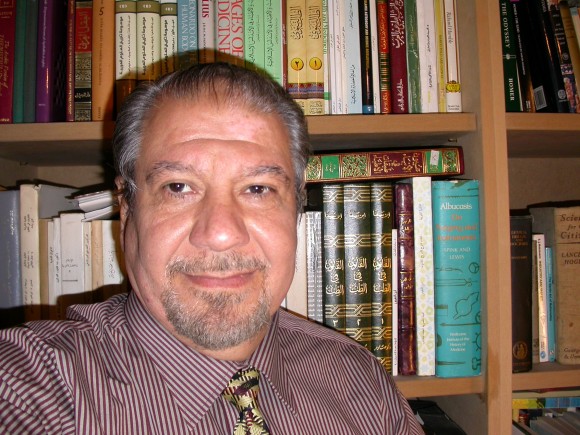
By Dr M A R Al-Fallouji, PhD, FRCS, Professor of Surgery
Comparative study of History of Medicine in Islamic World and in the West confirmed that Muslims made twelve (12) medical discoveries that had indeed changed the world:
1. Infectivity of certain diseases (as documented by Prophet Muhammad in leprosy and plague) caused by gerthoma (germs) flourishing in bad air with poor food and hygiene. Muslims established hospitals on healthy sites of principal cities, and building quarantine for infected patients in distant places.
2. Anatomical dissection of animals (monkeys by Ibn Masawayh in 830, and deers by Ibn Tufail in 1185); of dead foeti (by Rhazes); and of human bodies by Avicenna circa 1020 Ibn Al-Nafis (1288).
3. Alcohol and anti-septic agents e.g. vinegar, rose-water, olive oil, and occasionally burnt ash.
4. Anaesthetic sponge and/or opium liquids used for major long surgery (and short one e.g. dental extraction).
5. Surgical Instruments (purpose-designed) e.g. snares, catgut sutures, gypsum and splints for fractures (orthopaedics), and various optics. Albucasis described more than 100 original instruments (in his book ‘al-tasreef liman ajaza an al-ta’leef’).
6. Surgical exploration of abdominal cavity (Laparotomy) electively and in traumatic emergencies.
7. Midwifery with a forceps designed for delivery, and caesarian section pioneered by Muslim surgeons in difficult labour. This science was later developed into Gynecology.
8. Apothecary: Muslims developed the science of chemistry as applied to medicine; they introduced a number of new drugs and pioneered many pharmacological methods (e.g. distillation). They promoted particularly the use of camphor, cassia, cloves, mercury, myrrh and senna. In addition, the Arabs not only invented the apothecary or pharmacist, but developed a number of new vehicles including syrups and juleps and used tragacanth (gum or resin) as a demulcent. They promoted healthy eating (to eat only when hungry, and to fill stomach with no more than a third for food, a third for liquids and a third for air), and healthy food e.g. bread from wholemeal flour or barley, dates, milk, honey, harissah (oats’ porridge), courgette family (i.e. zucchini, marrows, squash, pumpkins and courgette), fruits and vegetables. Also, they encouraged periodic Hijamah (venesection or blood-letting).
9. Physiology of Blood circulation: General Circulation in form of movement was first described by Hali or Ali Abbas Al-Majusi circa 994 (6 centuries before William Harvey in 1616); Pulmonary Circulation was first described by Ibn Al-Nafis in 1288 (3 centuries before Michel Servatus in 1553); Capillary Circulation was first described by Ibn Al-Quff circa 1260 (4 centuries before Malpighi in 1661).
10. Immunisation against smallpox devised by Arabs making small cut in a healthy person’s arm and rubbed into the incision material obtained from a smallpox blister. This was widely practised in Istanbul (capital of Othman’s Caliphate) and transferred to Britain through Lady Mary Montagu, wife of England’s ambassador to Turkey; she contracted but survived smallpox in 1717 and her son was variolated (vaccinated) by the Turkish Dr Timoni. On her return to England her English Dr Maitland vaccinated her daughter. Through this family, Dr Edward Jenner got information and wrote a book in1798 that cowpox vaccination protects against smallpox, which was only accepted long after Jenner’s death (1823).
11. Qualifying Medical Examinations in 942 A.D. by Sinan bin Thabit bin Qurra and Clinical Bed-side Teaching by Rhazes. Muslims built colleges and laid down ‘Canon of Medicine’ and medical terms. They raised the dignity of medical profession from that of a menial calling to one of the learned professions.
12. Arabic Numerals, system of decimal fractionations, and system of units facilitated communication on drug dosage, time, date, salary, and administrative record of patients and wards. Muslims invented the Zero; Arabic numerals replaced the cumbersome Roman numerals.
References
1. Al-Fallouji: History of Surgery of the Abdominal Cavity: Arabic Contributions. International Surgery Sept 1993;78:3:236-8
2. Al-Fallouji: Arabic Caesarian Section: Islamic History and current practice. Scottish Medical Journal February 1993; 38:3-4
3. Al-Fallouji: Arabs were skilled in anesthesia. British Medical Journal, April 1997; 314:1128
4. Friedman M and Friedland G: Medicine 10 greatest Discoveries. Yale University Press 1998. Pages 65-93.
5. Skinner H A: The Origin of Medical Terms. Baltimore: The Williams & Wilkins Company, 1961. under ‘Arabic words’.